0
DC Safe Home Daily Use Commodities: Powering the Future of Safe and Efficient Living
Introduction
As the world transitions toward renewable energy and smart home ecosystems, a quiet revolution is taking place in how we power everyday appliances. Direct current (DC) home appliances and daily use commodities are emerging from niche applications into mainstream consideration, driven by the proliferation of solar photovoltaics, battery storage systems, and energy-efficient electronics. This article explores the primary scenarios where DC safe home commodities are used, their compelling advantages over traditional alternating current (AC) alternatives, the pivotal role of solar panels in direct-drive DC power supply, and the vast development potential that lies ahead.
What Are DC Home Appliances and Daily Use Commodities?
DC home appliances are devices designed to operate directly on direct current power, eliminating the need for internal AC-to-DC conversion. This category encompasses a growing range of products, from large white goods to small personal electronics. Importantly, even many conventional household items that appear to run on AC power actually rely on DC motors internally. A standard kitchen contains an array of DC motors powering white goods including dishwashers, washing machines, refrigerators, and microwaves. Brushless DC (BLDC) motors are increasingly favored in air conditioning units due to their long lifespan, minimal maintenance requirements, and quieter operation compared to traditional motors.
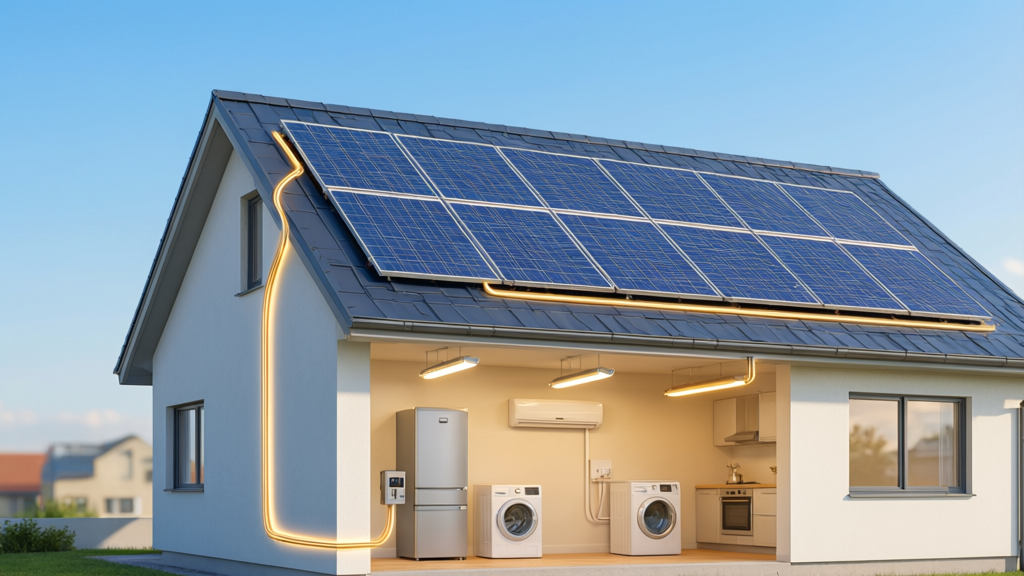
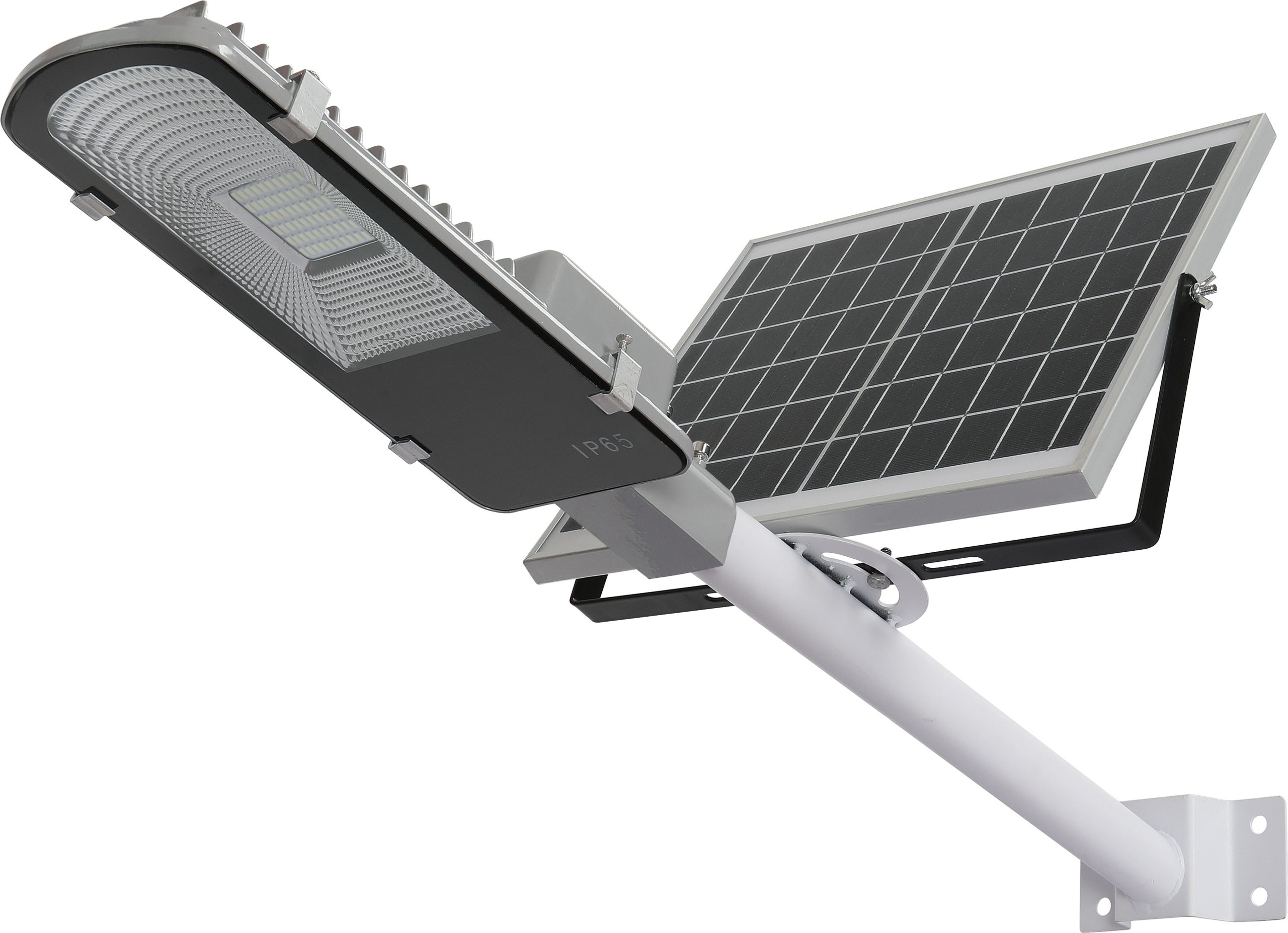
Beyond motor-driven appliances, the broader category of DC-powered daily use commodities includes lighting systems, electronics such as cell phones and flat-screen televisions (which convert incoming AC to DC internally), and battery-operated devices ranging from electric toothbrushes to children’s toys. The fundamental principle is straightforward: whenever a device uses a battery, an AC adapter, or a USB cable for power, it ultimately relies on DC.
Primary Use Scenarios
Kitchen and Laundry Appliances
The modern kitchen and laundry room represent a significant concentration of DC-powered functionality. Dishwashers employ high-voltage permanent magnet DC motors to power their pumps, improving operational efficiency. Washing machines require heavy-duty DC motors to run wash cycles, with twin-tub models sometimes utilizing two motors for independent wash and spin functions. Refrigerators depend on small DC motors to operate compressors that circulate refrigerant and maintain cold temperatures. Even microwave ovens incorporate DC motors to turn turntables for even cooking.
Climate Control and Air Quality
Temperature regulation systems increasingly rely on DC motor technology. Air conditioning units utilize brushless DC motors because of their high starting torque, long operational lifespan, and quiet performance. With the growing emphasis on indoor air quality, devices such as air purifiers, dehumidifiers, and ventilation systems also benefit from DC motor integration. In regions where climate change is driving increased cooling demand, the efficiency advantages of DC motors become particularly valuable.
Personal Care and Small Electronics
The personal care category demonstrates how deeply DC technology has penetrated daily life. Electric toothbrushes oscillate at rates between 1,300 and 8,800 strokes per minute for standard models, or 24,000 to 40,000 per minute for sonic variants, all powered by DC motors. Children’s toys, which must withstand rough handling and long-term use without repair, rely on rugged DC motors designed for durability.
Renewable Energy Integration and Solar Direct-Drive
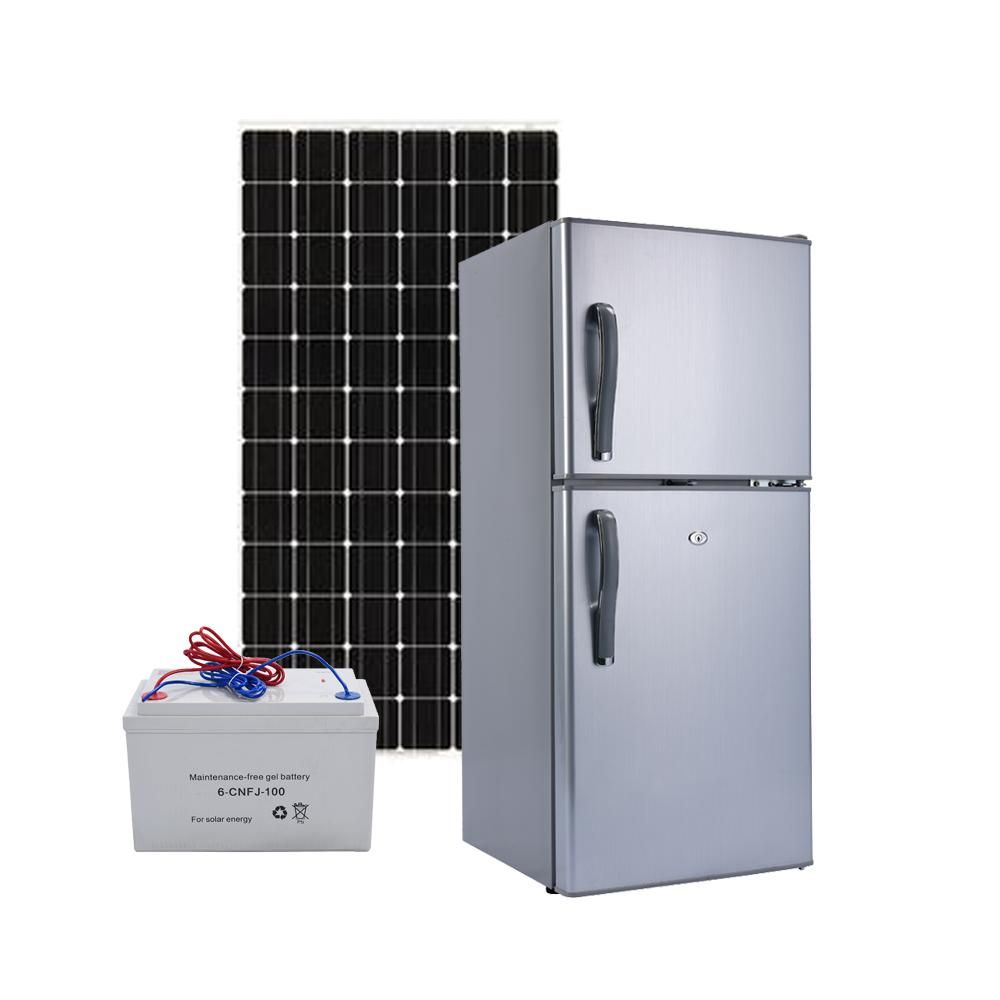
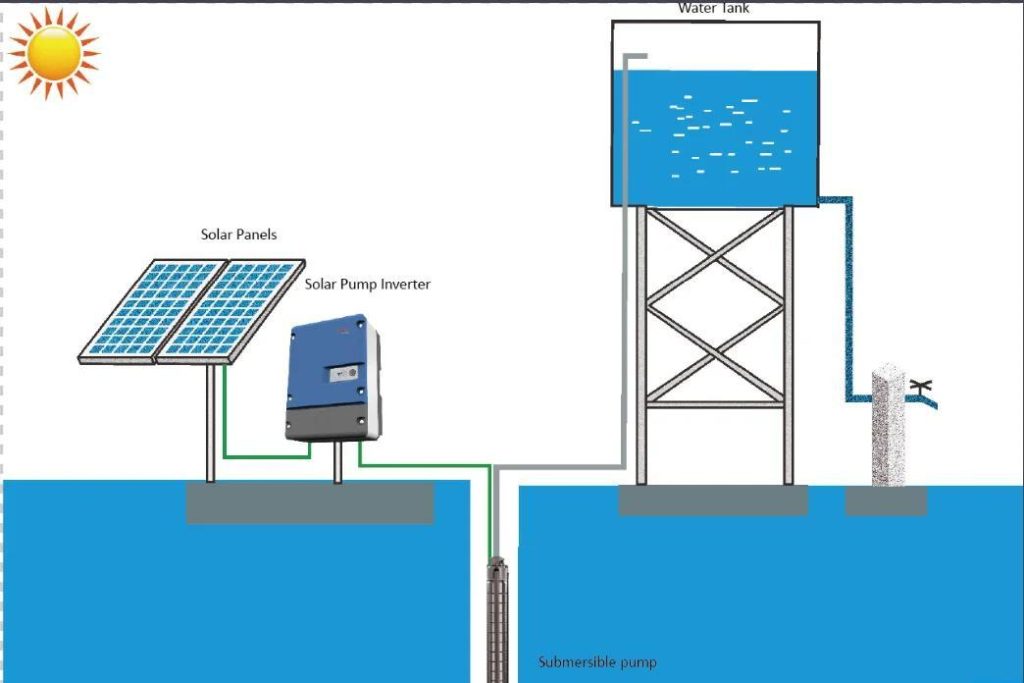
Perhaps the most transformative scenario involves integrating DC appliances with residential renewable energy systems, particularly through solar direct-drive architecture. In this configuration, solar photovoltaic (PV) panels generate DC electricity natively, and this power is delivered directly to DC appliances without undergoing AC conversion at any stage. Solar direct-drive technology has been validated across multiple applications: direct-drive LED display systems that use a solar direct-drive controller to stabilize PV output for directly powering displays, eliminating the need for batteries entirely-1; permanent magnet DC motor-driven solar water pumping systems that achieve high efficiency and longer life cycles through the absence of energy storage elements-2; and solar direct-drive variable frequency air conditioners that connect PV DC power directly to the machine’s DC bus, achieving energy utilization rates of up to 99.04%—5% to 8% higher than conventional grid-connected solar systems-7.
The Chinese National Energy Administration has recognized solar direct-drive technology as an emerging application model that directly utilizes photovoltaic DC power, eliminating the inverter stage and offering advantages of high energy utilization, energy conservation, and reduced equipment investment-8. In residential settings, research demonstrates that eliminating the inverter and using DC appliances in solar-powered autonomous households can reduce energy consumption by up to 30%-12. For homes equipped with solar panels and battery storage, DC power is generated and stored natively; when DC appliances can directly utilize this power without conversion, significant efficiency gains are realized. Studies show that converting residential houses to DC power with optimized DC appliances results in energy savings exceeding 25% in net-zero buildings, with savings potentially surpassing 40% under favorable conditions-17.
Advantages of DC Home Commodities
Superior Energy Efficiency
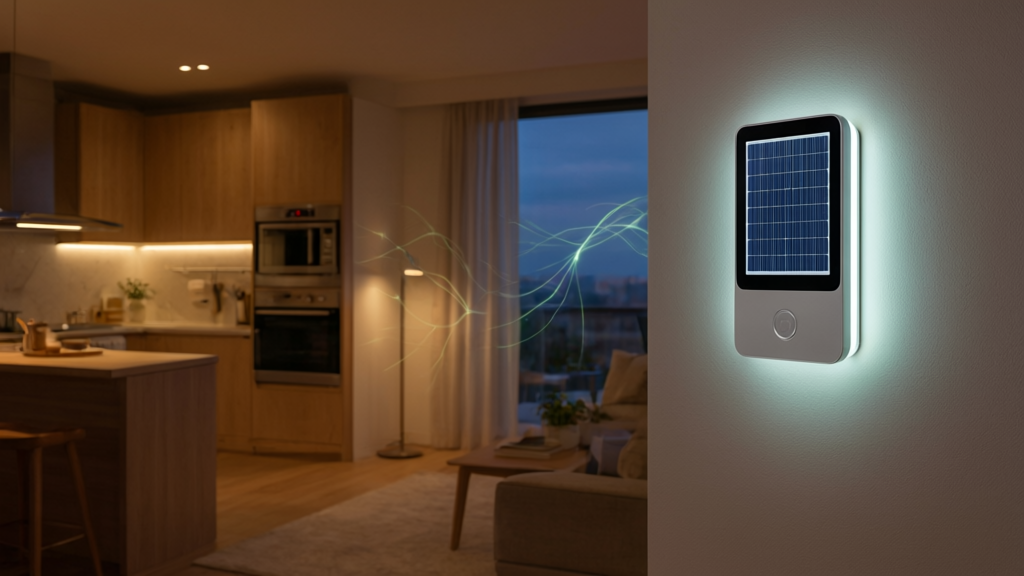
The most compelling advantage of DC appliances lies in their ability to eliminate conversion losses. In conventional AC-centric homes, power from solar panels or batteries must be converted from DC to AC, then often converted back to DC within individual appliances. Each conversion step introduces energy losses of 5% to 8% or more. Research indicates that DC distribution chains are markedly more efficient than their AC counterparts. Direct-DC power systems can provide energy and cost savings in residential built environments, particularly in net-zero energy homes where electricity is generated, distributed, and consumed in DC-13. When solar direct-drive is employed—where PV panels power DC appliances without any AC conversion—the efficiency gains are maximized, as the entire chain from photon to appliance operation remains in direct current.
Enhanced Motor Performance
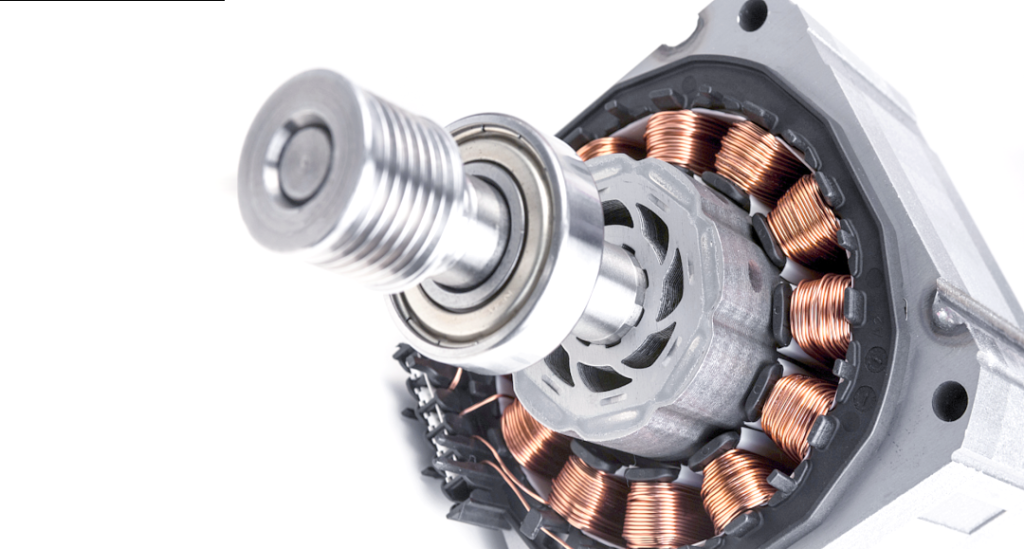
DC motors, particularly brushless variants, offer performance characteristics that AC motors struggle to match. They provide precise speed control, high starting torque, and quiet operation—qualities that directly enhance user experience in appliances like air conditioners and washing machines. The precision of DC motor control also enables advanced features such as adaptive speed adjustment and cloud-based fault prediction in modern smart appliances.
Resilience and Grid Independence
DC appliances contribute to household energy resilience. During grid outages or emergencies, homes equipped with battery storage can continue operating DC appliances without interruption. DC lighting, for instance, has been shown to provide energy savings between 10 and 18 percent while bolstering building resilience during power disruptions. Solar direct-drive systems further enhance this resilience: a direct-drive LED display using solar power can operate independently without batteries, avoiding the energy losses and environmental hazards associated with battery disposal-1. This capability is increasingly valuable as extreme weather events and grid instability become more common.
Environmental Benefits and Carbon Reduction
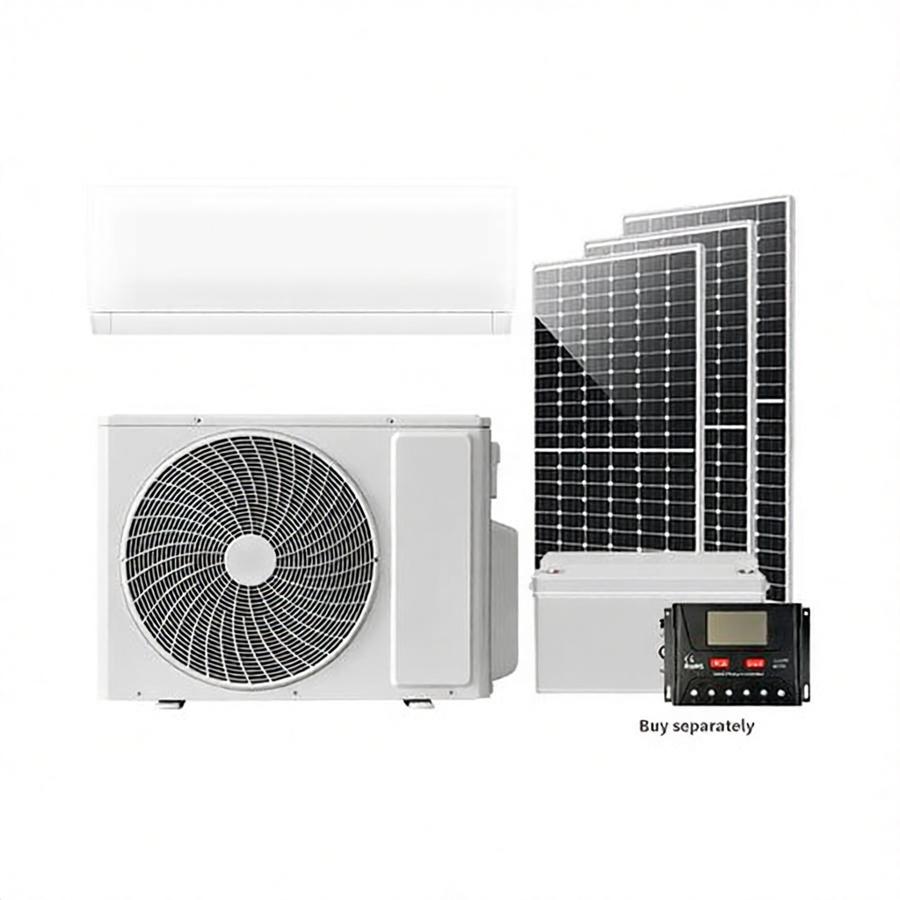
The environmental advantages of DC home commodities powered by solar direct-drive extend far beyond household energy savings. Photovoltaic power generation itself is a clean, low-carbon energy source. Solar PV generates electricity without emitting carbon dioxide or pollutants during operation, and from a life-cycle perspective, its emissions are approximately 20–50 grams of CO₂ equivalent per kilowatt-hour—far lower than fossil fuel-based power generation-3. In 2022, global solar PV generation reached 1.3 trillion kWh, achieving minimum emission reductions of 470 million tons, or up to 1 billion tons when displacing high-carbon coal power-3.
Solar direct-drive architecture amplifies these environmental benefits by eliminating battery requirements. Conventional solar-powered systems rely on batteries that undergo “DC—chemical energy—DC” conversion processes, which lose energy and create environmental risks when discarded. Direct-drive systems avoid battery-related pollution and the secondary environmental damage caused by improper battery disposal-1. Additionally, by eliminating the inverter stage, solar direct-drive reduces the material and manufacturing footprint associated with power conversion equipment.
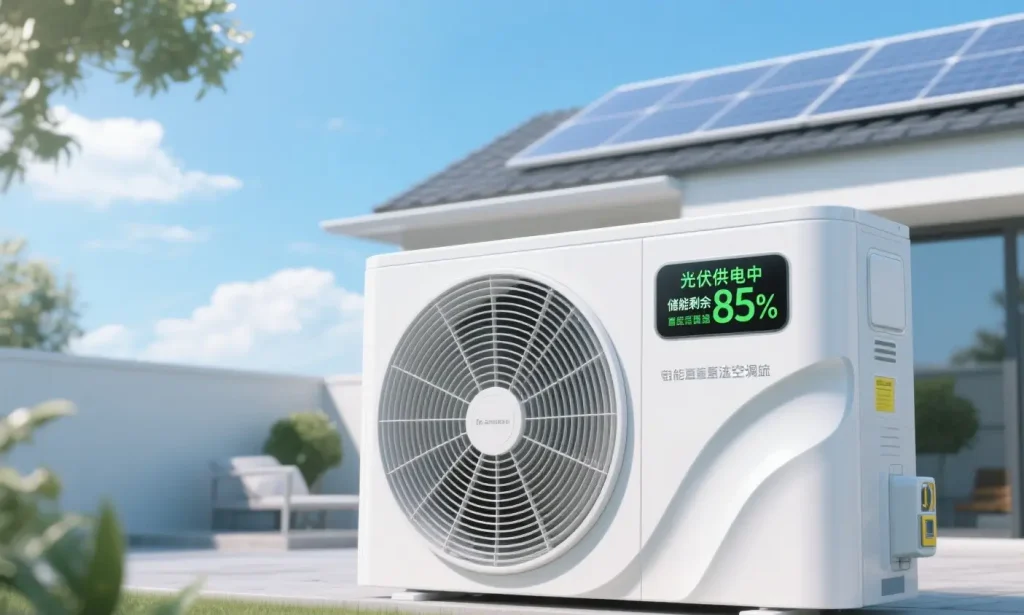
At the household and community level, the carbon reduction potential is tangible. A solar direct-drive centrifugal chiller project at a factory building achieved annual CO₂ reductions of 184 tons-7. In Ningbo, China, a rooftop distributed PV project generates approximately 1.93 million kWh annually, reducing CO₂ emissions by 1,924 tons-9. The city’s cumulative PV capacity exceeding 10 million kilowatts supports substantial emission reductions, with one 300 MW coastal PV plant alone reducing CO₂ by approximately 350,000 tons per year-9. When these solar installations power DC appliances directly, the environmental benefits compound: clean generation plus efficient consumption equals maximized carbon reduction per installed panel.
Compatibility with Modern Electronics
The proliferation of devices that natively operate on DC—from smartphones and laptops to LED lighting and electric vehicle chargers—makes DC distribution increasingly logical for modern homes. An increasing fraction of residential end-use loads operates on direct current, allowing direct use of DC from onsite sources and avoiding conversion losses.
Future Development Potential
Market Growth Trajectory
The DC home appliance market is poised for substantial expansion. Projections indicate the market will grow at a compound annual growth rate of 7.8 percent from 2026 to 2034, expanding from $28.4 billion in 2025 to $54.2 billion by 2034. This growth reflects both increasing consumer awareness and the broader energy transition toward renewable sources.
The Rise of AC/DC Dual-Mode Appliances
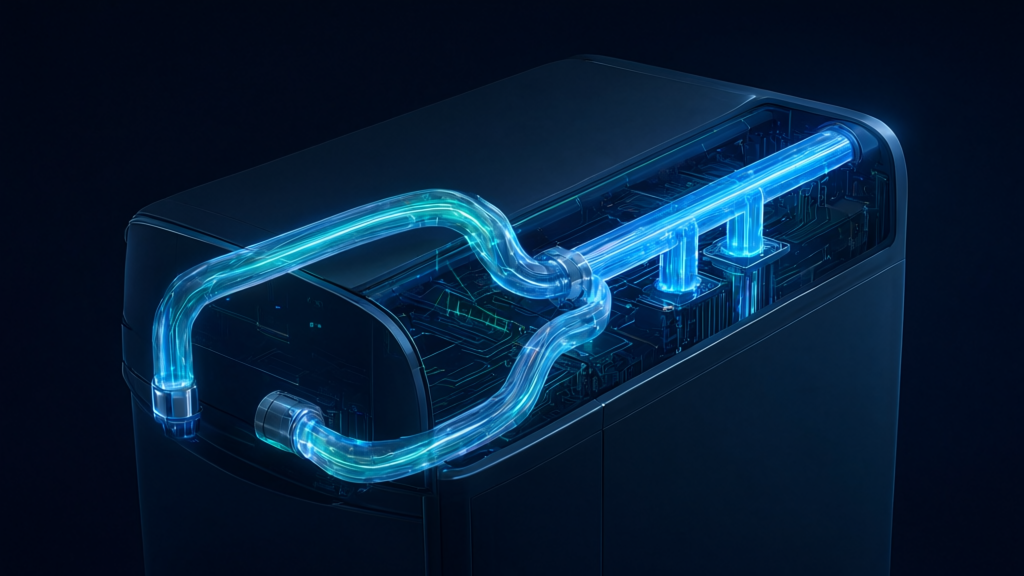
A significant technological development is the emergence of AC/DC dual-mode household appliances. These devices are not merely capable of accepting two power inputs; they incorporate automatic source identification, dynamic internal power path reconfiguration, and coordination with energy management systems. A dual-mode appliance can directly match DC input with its internal DC bus through a DC/DC conversion stage, thereby avoiding repeated AC/DC conversions. This technology bridges the gap between existing AC infrastructure and emerging DC ecosystems, allowing gradual transition without requiring complete home rewiring.
Policy and Standards Development
Institutional support for DC appliances and solar direct-drive technology is accelerating. China’s Motor Energy Efficiency Improvement Plan requires high-efficiency motors to account for over 70 percent of production by 2025, and the EU’s Ecodesign directive has raised minimum efficiency thresholds for air conditioner motors to IE4 levels. The Chinese government has identified solar direct-drive as a priority emerging technology, with national energy authorities formally recognizing its advantages and supporting demonstration projects-8. Globally, over 50% of countries have explicitly included expanded solar utilization in their updated climate action plans, with the EU targeting 600 GW of solar capacity by 2030 and China planning to add 400–450 GW during its 14th Five-Year Plan period-3. As standards mature for DC appliance safety, communication interfaces, and residential DC power architectures, they will reduce barriers to adoption and foster interoperability.
Motor Technology Advancements
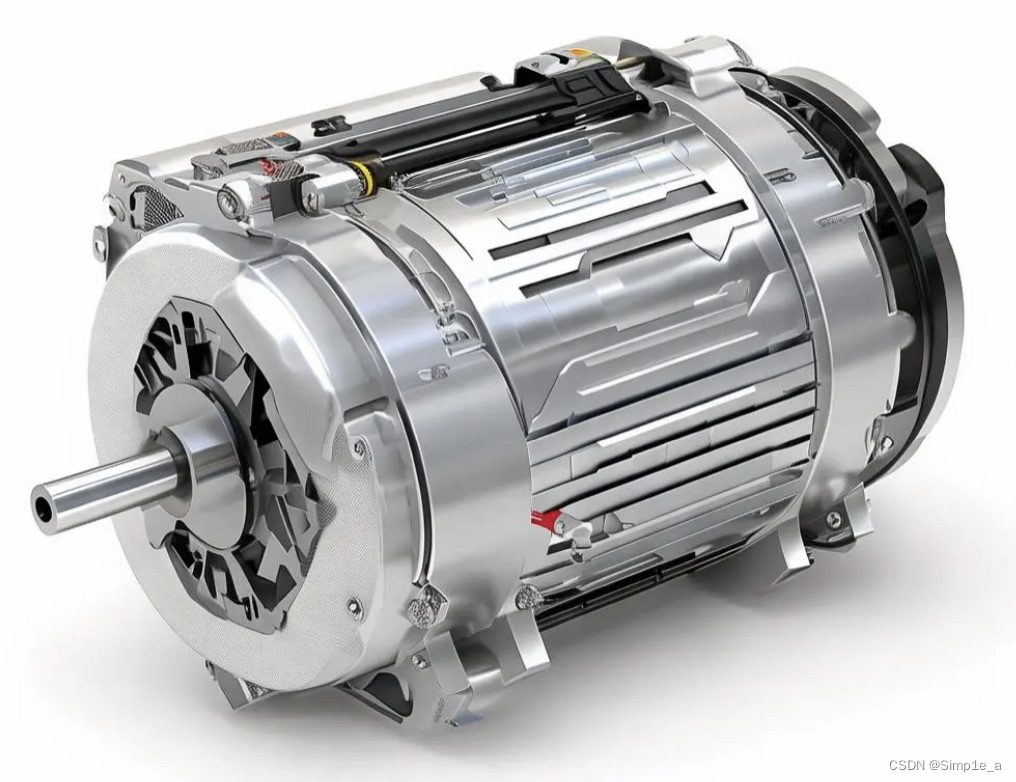
The internal components of DC appliances are also evolving. The direct-current penetration rate in household appliance motors reached 52 percent in 2025, with white goods leading adoption at 46 percent. In air conditioning specifically, the direct-current motor share in domestic sales approaches 100 percent for variable-frequency models. Kitchen appliances lag behind at 23 percent for large appliances and 36 percent for small appliances, indicating significant room for growth. Experts predict that if current trends continue, DC motors will account for over 90 percent of domestic air conditioning motor sales within three years.
Synergy with Electric Vehicles and Smart Grids
The integration of DC systems with electric vehicle charging represents another growth vector. DC/DC converters in EV chargers can enhance charging speed and cost-effectiveness, leveraging more efficient power conversion methods suited to DC-centric home architectures. Combining solar PV systems with DC fast charging infrastructure offers a sustainable solution that minimizes conversion losses and promotes renewable energy utilization. As vehicle-to-home and vehicle-to-grid technologies mature, DC appliances will become integral components of distributed energy ecosystems.
Nature-Positive Solar Deployment
The future of solar-powered DC homes is not merely about carbon reduction—it is increasingly oriented toward nature-positive energy transitions. A 2026 joint report by IRENA, CREEI, and IUCN highlights how well-designed solar PV projects can actively contribute to positive environmental outcomes beyond climate mitigation-11. Approaches such as agrivoltaics allow energy generation and land productivity to coexist, helping regenerate soils and increase on-site biodiversity. In arid and semi-arid regions, well-designed projects can restore degraded land, create favorable microclimates, and combat desertification-11. Solar grazing integrates livestock management with renewable energy infrastructure, supporting rural livelihoods while maintaining habitats. As residential solar adoption accelerates, these nature-positive principles will increasingly inform the design and siting of both rooftop and community-scale installations, ensuring that the expansion of solar-powered DC homes goes hand in hand with biodiversity conservation and local prosperity.
Conclusion
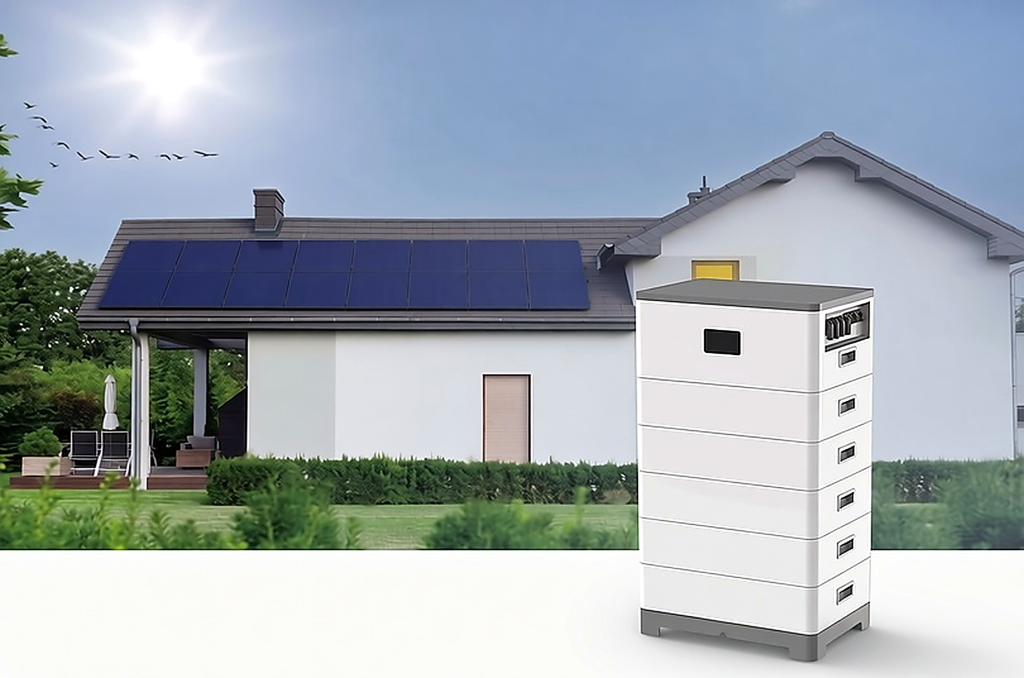
DC safe home daily use commodities represent more than a technological curiosity—they are a logical evolution in how humanity powers its living spaces. From the DC motors quietly operating inside familiar appliances to solar direct-drive systems that eliminate conversion losses entirely, this technology category offers tangible benefits: superior energy efficiency, enhanced performance, greater resilience, and seamless compatibility with renewable energy systems. Solar panels play a uniquely enabling role in this ecosystem, serving not merely as generators but as direct power sources that transform photons into appliance operation without the wasteful detours of AC conversion. The environmental dividends are equally compelling: clean generation, reduced carbon emissions, elimination of battery pollution, and the potential for nature-positive deployment that restores rather than depletes ecosystems. While challenges remain in standards development, cost reduction, and user education, the trajectory is unmistakable. As the world commits to carbon-neutral futures and distributed energy architectures, DC home commodities will transition from niche solutions to mainstream necessities, powering homes that are simultaneously safer, more efficient, and more sustainable.