0
12V Solar Power Home Appliances: Powering the Next Generation of Safe, Resilient, and Energy-Efficient Living
As the world accelerates its transition to distributed renewable energy, an often-overlooked technology is quietly reshaping how households access and use electricity: 12V direct-current (DC) home appliances directly powered by solar photovoltaic (PV) systems. Unlike traditional alternating-current (AC) devices that rely on grid power and multiple lossy conversion stages, 12V solar home appliances run natively on the same low-voltage DC electricity produced by rooftop solar panels and stored in residential batteries. What makes this category particularly compelling is its alignment with two irreversible global trends: the plummeting cost and rising efficiency of solar technology, and an industry-wide prioritization of end-user safety above all other performance metrics.
The Solar PV Evolution: How Technology Progress Enabled the 12V DC Revolution
The rise of 12V solar home appliances did not happen by accident—it is the direct result of decades of iterative improvement in photovoltaic technology that eliminated the core barriers to small-scale, low-voltage off-grid power:
Early era (1950s–2000s): Solar PV was largely confined to aerospace and niche industrial applications, with panel efficiencies below 15% and costs exceeding $2 per watt. Systems required large, expensive battery banks and inverters, making small-scale 12V appliances impractical for all but the most remote off-grid locations.
Cost breakthrough (2010–2020): Global manufacturing scale drove PV module costs down by over 90%, to below $0.2 per watt by 2025, while mainstream PERC and TOPCon cell efficiencies climbed to 23–26%. The maturation of maximum power point tracking (MPPT) charge controllers, which boost solar charge efficiency to over 98% for 12V battery systems, created the technical foundation for reliable 12V power ecosystems.
Current generation (2020–present): HJT and perovskite hybrid cells are pushing lab efficiencies past 30%, while compact lithium iron phosphate (LFP) batteries have become affordable for residential use.
Critically, 12V is the native nominal voltage of small LFP battery packs and small solar arrays, meaning power can flow directly from panel to battery to appliance with no energy-wasting DC-AC inverter stage—delivering up to 30% higher end-to-end energy efficiency than AC-coupled solar setups.
These advances have turned 12V from a niche voltage for automotive and camping use into a practical, cost-effective power standard for everyday household appliances.
What Home Appliances Can Run on 12V DC Power?
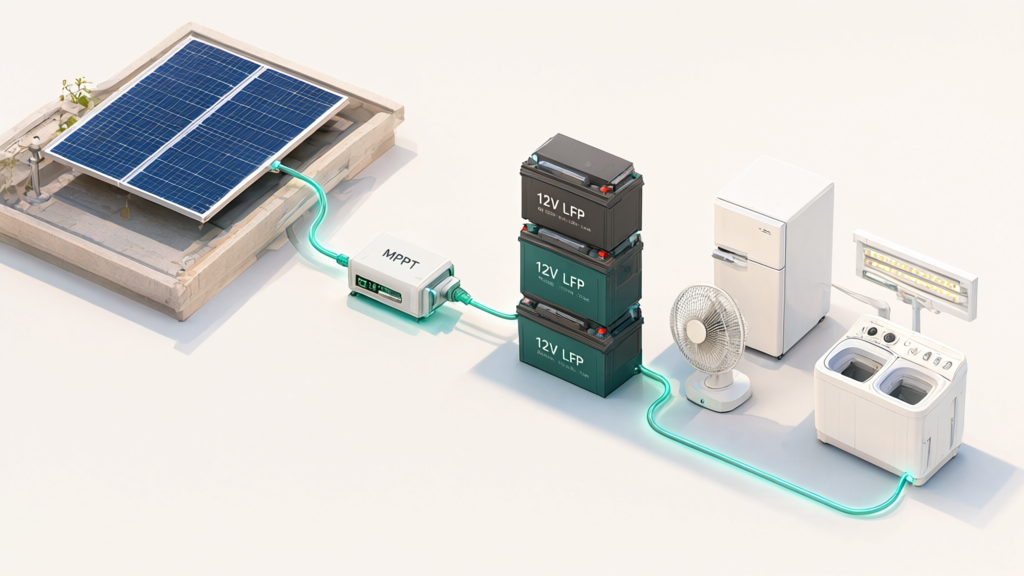
The 12V appliance ecosystem has expanded far beyond basic lighting, covering a growing share of daily use cases:
Core home comfort: 12V compressor refrigerators and freezers, brushless DC (BLDC) ceiling and table fans, air purifiers, dehumidifiers, and evaporative coolers all run efficiently on 12V power, with energy consumption 30–50% lower than equivalent AC models.
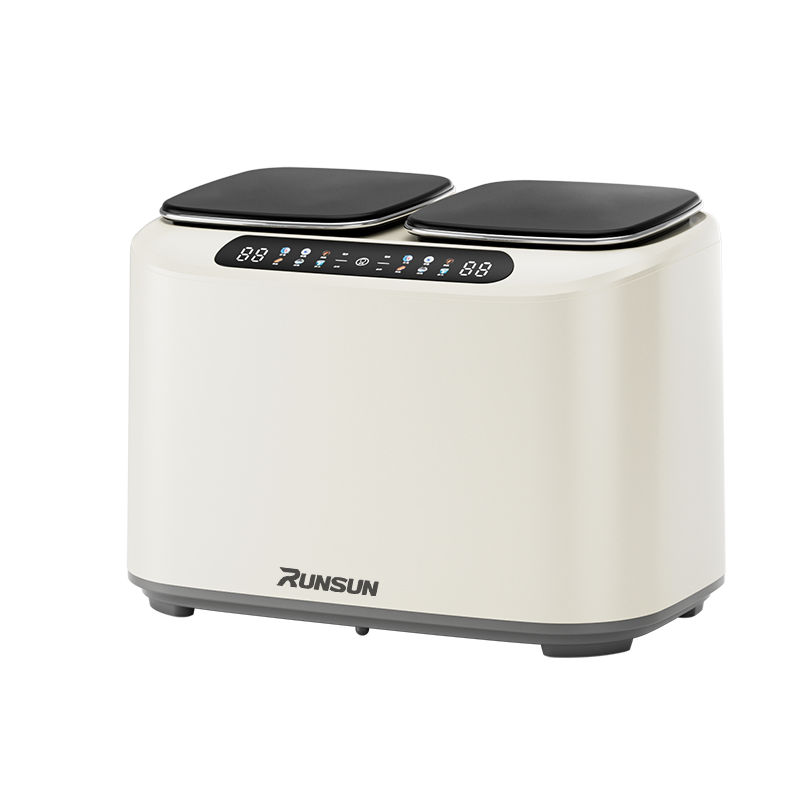
Laundry and kitchen: Compact 12V twin-tub washing machines, portable spin dryers, small-capacity dishwashers, rice cookers, coffee makers, and food processors are already widely used in off-grid homes, RVs, and tiny houses, designed specifically for low-voltage solar power.
Lighting and electronics: All LED lighting systems, televisions, portable speakers, Wi-Fi routers, security cameras, and mobile device chargers natively operate on low-voltage DC, making them a natural fit for 12V solar setups.
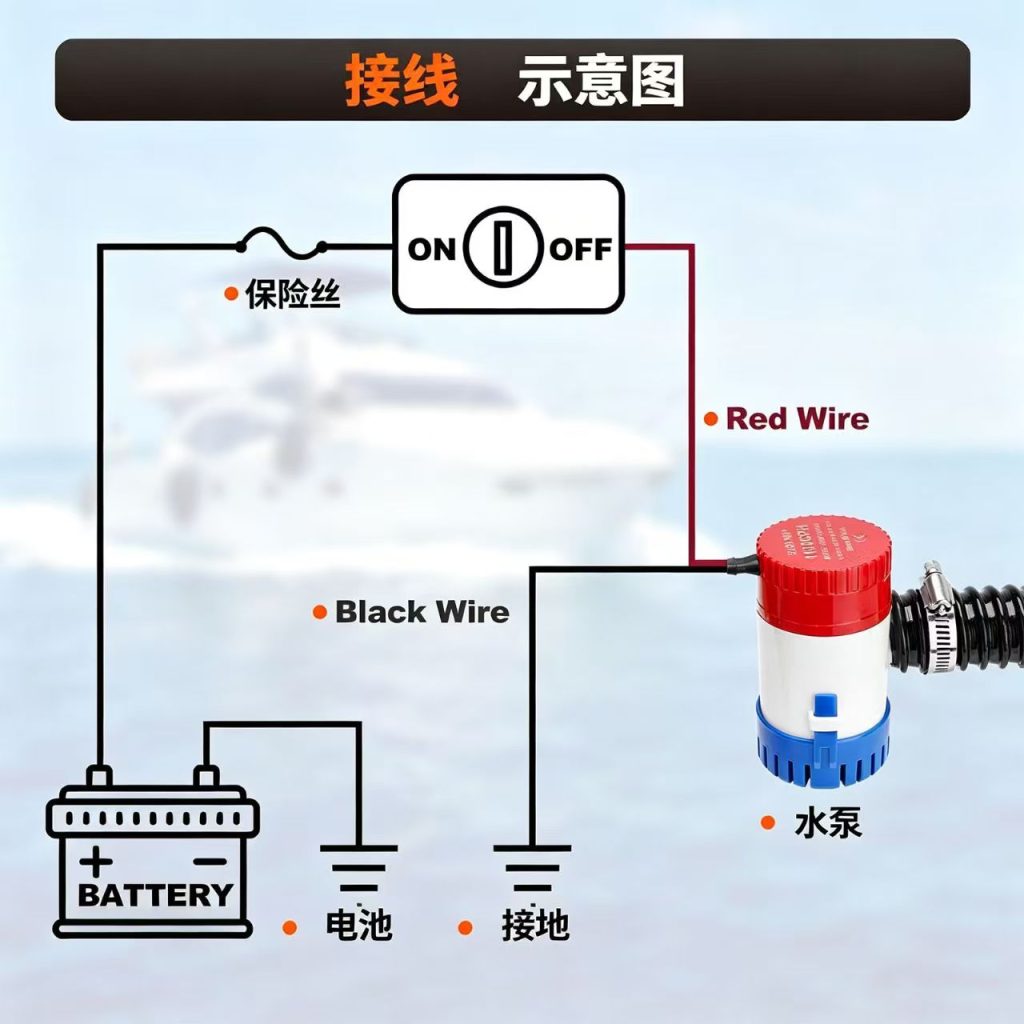
Utility and outdoor: 12V water pumps for household supply and garden irrigation, electric blankets, portable power tools, and outdoor cooking equipment support fully off-grid living without grid connection.
Specialized scenarios: Medical cold chain boxes for remote clinics, educational device charging for off-grid schools, and emergency backup systems for grid outage resilience all rely on 12V power for its reliability and safety.
Current Technical and Cost Barriers to Widespread 12V DC Adoption
Despite its advantages, mass adoption of 12V solar home appliances still faces concrete obstacles:
Power density limits for high-wattage devices: At 12V, powering devices above 500W (such as full-size air conditioners, large ovens, or high-capacity washing machines) requires very high current, leading to thicker copper cabling, higher line losses, and elevated component costs. Full-size household appliances remain uneconomical to run on pure 12V power today.
Fragmented standards: The 12V appliance ecosystem currently lacks a universal connection standard, with devices using everything from automotive cigarette lighter sockets to DC barrel plugs, XT60 connectors, and Anderson Powerpole terminals. This incompatibility increases user friction and accessory costs.
Insufficient economies of scale: Global production volumes for 12V home appliances remain a small fraction of AC appliance output, meaning components such as BLDC motors, control boards, and compressors carry a 20–40% cost premium compared to mass-produced AC equivalents.
Retrofit costs for existing homes: Converting an existing AC-wired home to full 12V operation requires rewiring and full appliance replacement, a prohibitive upfront cost for most grid-connected households with no immediate outage risk.
Safety misconceptions: A common misconception that low voltage eliminates all safety risks has led to some cut-corner products with insufficient short-circuit protection, reverse-polarity protection, and wire insulation, creating preventable fire and equipment damage risks.
Future Directions for Overcoming Barriers
The industry is already converging on clear solutions to unlock mass market adoption:
AC/DC dual-mode appliances: Next-generation devices will automatically switch between 12V DC input from solar/battery systems and standard AC grid power, using an internal DC bus to eliminate repeated conversion losses. This allows households to adopt 12V appliances without full home rewiring, using solar power when available and falling back to the grid when needed.

Unified interface standards: The expansion of USB PD 3.1 to support 240W 12V output, alongside industry-wide work on standardized DC home wiring connectors, will eliminate fragmentation and create a plug-and-play ecosystem comparable to AC outlets.
Scale-driven cost reduction: As off-grid, RV, and backup power demand grows, rising 12V appliance production volumes are projected to bring component costs down by 10–15% annually, following the same cost-reduction curve that made LED lighting affordable for every household.
Wide-bandgap semiconductor adoption: Gallium nitride (GaN) and silicon carbide (SiC) power components will drastically reduce conversion losses and heat generation in 12V systems, lifting the practical power ceiling from 500W to over 1500W and bringing larger appliances into the 12V ecosystem.
Scenario-led go-to-market: Instead of targeting full home retrofits first, the industry will prioritize high-value, low-friction segments: remote off-grid regions, RV and camping markets, emergency backup systems for extreme weather resilience, and outdoor work sites, building scale before expanding into mainstream grid-connected homes.
Safety First: The Irreversible Growth Trajectory of 12V Solar Home Appliances
Above all technical and cost considerations, safety is the foundational driver that secures the long-term future of 12V solar home appliances. 12V DC is classified globally as a Safety Extra-Low Voltage (SELV), meaning it poses zero risk of fatal electric shock even with direct skin contact—an irreplaceable advantage in households with children, elderly residents, or in wet environments such as bathrooms, kitchens, and outdoor spaces. Unlike high-voltage AC systems, 12V circuits carry minimal risk of dangerous arcing, and properly protected systems present dramatically lower fire risk than high-voltage wiring.

As extreme weather events increase grid instability, as rooftop solar and home battery storage become standard for new homes, and as global regulators and consumers alike place safety above incremental performance gains, the advantages of 12V solar home appliances will only grow more pronounced. They eliminate inverter losses, deliver true grid outage resilience, remove electric shock hazards, and align natively with the world’s fast-expanding solar generation capacity.
What began as a niche solution for off-grid cabins and RVs is evolving into a mainstream building block of safer, more sustainable homes. 12V solar power home appliances are not merely a temporary trend—they are the natural, safety-first endpoint of a decades-long shift toward distributed, renewable, human-centered home energy systems.